


Case Cleaning for Clean and Reliable Reloading


- Low shipping cost, worldwide delivery
- Fast delivery
- Secure Ordering and Payment


Overige categorieën in Reloading
Case Cleaning for Reliable Reloading
Cleaning cartridge cases is one of the most important steps in the reloading process. After firing, powder residue, carbon deposits, dirt and other contaminants remain on both the inside and outside of the brass. Removing these deposits helps protect your reloading dies, makes inspection easier and creates a cleaner, more consistent workflow. Clean brass also contributes to a professional-looking finished cartridge and simplifies the following case preparation steps.
At SEM Jacht & Schietsport, you'll find a wide range of case cleaning equipment and accessories. Whether you prefer dry tumbling with polishing media or wet tumbling with stainless steel pins, there is a solution for every type of reloader, from occasional hobbyists to high-volume precision shooters.
Why Clean Brass Cases?
Every fired cartridge case collects carbon, burnt powder residue and fouling around the case body, neck and primer pocket. If these contaminants remain on the brass, they can increase wear on reloading dies and make it more difficult to identify defects such as split necks, damaged case heads or excessive corrosion.
Cleaning your brass before resizing makes inspection much easier and helps keep your entire reloading setup cleaner throughout the loading process.
Dry Cleaning with Vibratory Tumblers
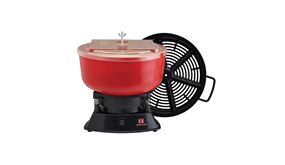
Vibratory tumblers are among the most popular solutions for cleaning large quantities of brass. Cases are cleaned using media such as crushed walnut shell or corn cob granules. As the tumbler vibrates, the media removes dirt, powder residue and light oxidation while polishing the brass to a clean finish.
This method is simple to use, requires little maintenance and is suitable for both beginner and experienced reloaders.
Wet Cleaning with Rotary Tumblers
For deeper cleaning, many reloaders choose a rotary tumbler. Cases are cleaned with water, a dedicated cleaning solution and often stainless steel pins. This combination thoroughly cleans not only the outside of the case, but also the interior and primer pockets.
When the spent primers are removed before cleaning, stainless steel pins can also clean the primer pockets much more effectively. After wet tumbling, the brass must be completely dried before resizing or loading.
Cleaning Media and Accessories
The choice of cleaning media depends on the desired result. Walnut shell media is commonly used to remove stubborn fouling, while corn cob media is often selected for polishing clean brass. Wet tumbling systems typically use stainless steel pins together with specialised cleaning solutions.
Additional accessories such as media separators, rotary sifters, magnets, drying racks and brass dryers help speed up the cleaning process and make handling larger batches much easier.
Cleaning Before or After Decapping?
Reloaders use different approaches depending on their workflow. Cleaning before decapping helps keep resizing dies cleaner by removing surface dirt first. Cleaning after decapping allows the primer pockets and flash holes to be cleaned more thoroughly during wet tumbling.
Both methods are widely used, and the best choice depends on your equipment and personal preference.
Drying Cases Properly
After wet cleaning, every case should be completely dry before continuing with the reloading process. Moisture left inside the case or primer pocket can affect later stages of reloading. Brass can be air-dried on drying trays or dried more quickly using dedicated brass drying systems.
Taking the time to dry brass thoroughly helps ensure reliable performance during subsequent resizing, priming and powder charging.
Compatible with Leading Reloading Brands
This category includes products from respected manufacturers such as Frankford Arsenal, Hornady, RCBS, Lyman and Lee Precision. The range includes complete cleaning systems, tumblers, cleaning media, stainless steel pins, cleaning solutions and replacement accessories suitable for many different reloading setups.
Inspect Brass After Cleaning
Once the brass has been cleaned, it is much easier to inspect every case for cracks, excessive stretching, damaged case mouths or worn primer pockets. Cases showing signs of damage should be removed before continuing with the reloading process.
After inspection, the brass is ready for resizing, trimming, chamfering and the remaining case preparation steps.
Related Products
Case cleaning equipment is commonly used together with case lube, reloading dies, case trimmers, calipers, primer pocket cleaners, decapping pins, shell holders, chamfer and deburring tools and other case preparation accessories. Combining the right tools creates a more efficient and repeatable reloading workflow.
Why Choose SEM Jacht & Schietsport?
- Specialist in reloading equipment and case preparation.
- Wide range of brass cleaning systems and accessories.
- Solutions for both dry and wet case cleaning.
- Products from leading reloading manufacturers.
- Expert advice for every level of reloader.
- Fast delivery from stock.
