


Decapping Pins for Reloading Dies

- Low shipping cost, worldwide delivery
- Fast delivery
- Secure Ordering and Payment
Overige categorieën in Reloading
Decapping Pins for Reloading Dies
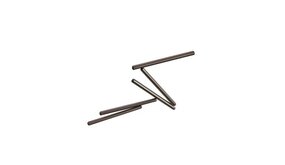
A decapping pin is a small but essential part of a reloading die. During the decapping process, the pin pushes the spent primer out of the cartridge case so the case can be prepared for the next stages of reloading. Heavy use, misaligned cases or accidentally processing a Berdan-primed case can cause a decapping pin to bend or break. With the correct replacement pin, the die can quickly be returned to service.
At SEM Jacht & Schietsport, you will find decapping pins for a range of reloading dies from well-known manufacturers. Whether you need to replace a damaged pin or keep spares on hand, the right replacement part helps keep your reloading equipment working reliably.
What is a Decapping Pin?
A decapping pin, sometimes referred to as a depriming pin, is positioned inside a sizing or decapping die. As the case enters the die, the pin passes through the flash hole and pushes the spent primer out of the primer pocket. The case can then be cleaned, resized and prepared for a new primer.
Because the pin is exposed to mechanical force during every cycle, it is considered a wear part. In most cases, a damaged decapping pin can be replaced separately without replacing the complete die.
When Should a Decapping Pin Be Replaced?
A decapping pin should be replaced when it is bent, broken or no longer removes primers consistently. Damage may occur when the pin encounters an obstruction, when the case is not correctly aligned or when a Berdan-primed case is processed by mistake. Berdan cases do not have a central flash hole, which can cause the pin to fail immediately.
Replacing a damaged pin promptly prevents unnecessary downtime and allows the die to continue working as intended.
Suitable for Leading Reloading Brands
Individual decapping pins are available for many popular reloading dies. This category includes replacement parts for brands such as RCBS. Similar components are also available for systems from Hornady, Lee Precision, Lyman and other established manufacturers. Always check that the pin matches the die model, calibre and decapping assembly you use.
Different Sizes and Designs
Decapping pins are not always universal. Their length, diameter and attachment method can vary between manufacturers, die series and calibres. Some pins are fitted directly into a spindle or expander rod, while others form part of a complete decapping assembly.
Before ordering, it is advisable to check the model number of the die and compare the dimensions of the existing pin. This helps ensure that the replacement part can be installed correctly.
Keep Spare Decapping Pins Available
Many experienced reloaders keep several spare decapping pins at their bench. A pin can become damaged unexpectedly, especially when mixed brass is being processed or when a case is not correctly aligned. Having a replacement available means the reloading session can continue with minimal interruption.
Because replacement is usually straightforward, decapping pins are practical spare parts to keep alongside other frequently used die components.
Installation and Inspection
When fitting a new decapping pin, make sure it is centred and correctly aligned within the die. The pin should be adjusted far enough to remove the spent primer completely without extending unnecessarily below the die. After installation, test the setup with a suitable Boxer-primed case.
It is also good practice to inspect the pin regularly for signs of bending, looseness or wear. Early inspection can prevent a slightly damaged pin from breaking during use.
Related Products
Decapping pins are commonly used together with reloading dies, expander rods, shell holders, case cleaning equipment, primer pocket cleaners, case lubricant and other case preparation tools. Keeping essential wear parts available helps maintain a reliable and efficient reloading setup.
Why choose SEM Jacht & Schietsport?
- Specialist in reloading and case preparation.
- Replacement parts for various reloading dies.
- Products from established manufacturers such as RCBS.
- Expert advice when selecting replacement components.
- Fast delivery from stock.
